
Community workshops: where we are heading next
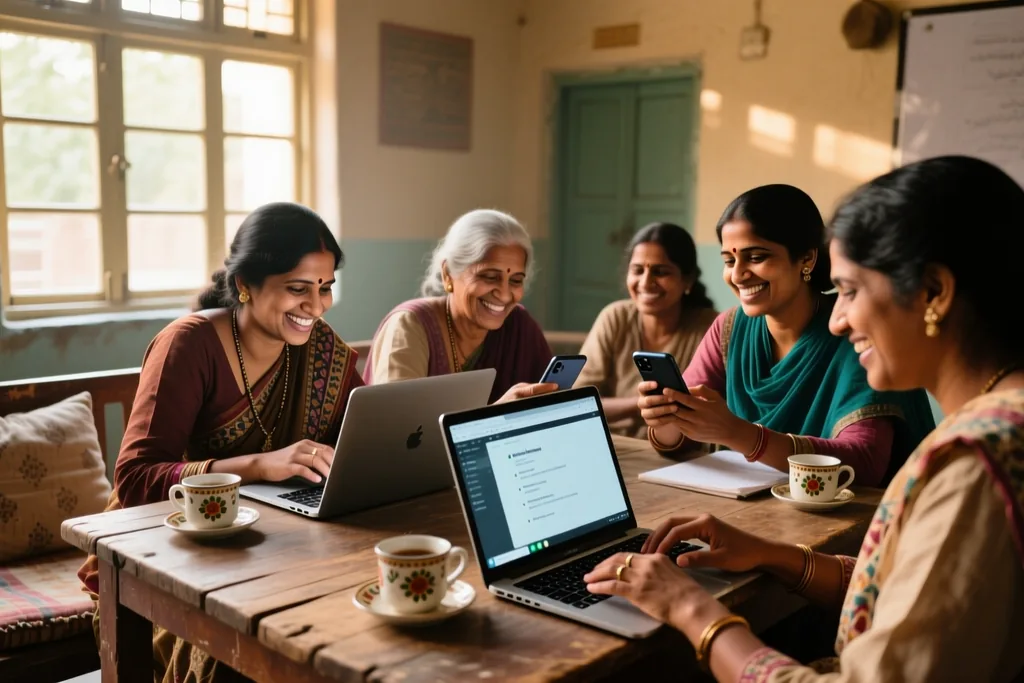
Community workshops remain one of the most effective ways the program reaches women who would not otherwise make contact with it. This note describes how workshops are planned, what participants have asked for and where the work is heading, without quoting numbers we cannot verify.
How workshops are planned
Workshops begin with a conversation rather than a curriculum. Before a session is designed, the team asks the local group what would actually help, and the most common answer becomes the topic. This keeps the content tied to a real need instead of a general idea of what women should learn.
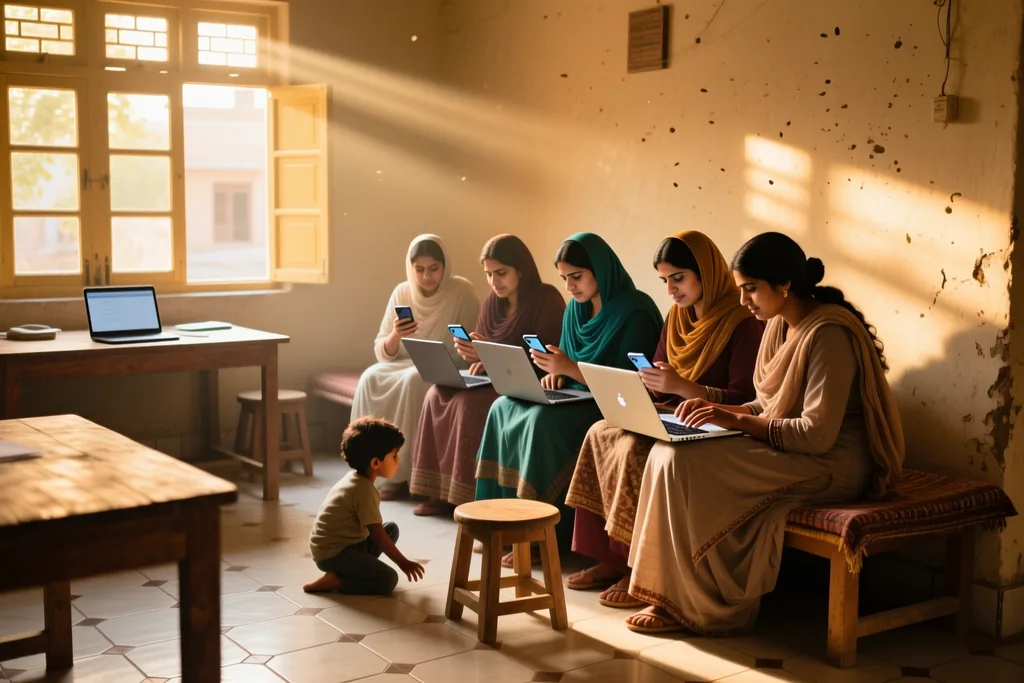
Planning then works backwards from the outcome. What should participants be able to do by the end? Everything in the session is chosen to serve that answer, and anything that does not is left out.
What participants ask for
The requests that come up most often are practical and concrete rather than advanced. Participants tend to want skills they can use immediately in study, work or household administration.
- Using a phone or computer confidently.
- Finding and checking information online.
- Protecting accounts and personal details.
- Writing formal messages and applications.
- Preparing for a course or an interview.
Sessions built around practice
A workshop that only explains is quickly forgotten. Each session therefore includes time for participants to try the skill themselves, with a facilitator moving between tables to help where needed. The practice is the part that lasts.
Sessions end with a small task to try at home and an invitation to the next event, so that a single workshop can become the start of a pathway rather than a standalone experience.
The role of local hosts
Workshops depend on people who are willing to organise them locally. A host provides the room, gathers participants and handles the practical arrangements, allowing the program to bring the teaching to a place it could not otherwise reach.
How a workshop comes together
The table below describes the stages of a workshop, from the first local request to the follow-up afterwards.
| Stage | Who is involved | What happens |
|---|---|---|
| Request | Local group | A need is identified |
| Planning | Team and host | A topic and outcome agreed |
| Preparation | Host and volunteers | Room and materials ready |
| Session | Facilitator and group | Teaching and practice |
| Follow-up | Team | Summary and next step |
Where the work is heading
The direction is towards more follow-up rather than more one-off events. A workshop that connects participants to the wider program produces more lasting change than a series of unrelated sessions, and the team is working to make that link reliable.
There is also interest in repeating successful workshops in the same communities, because familiarity allows a group to go further in the second and third session than a first meeting ever could.
Getting involved
Anyone who would like to host a workshop, or who belongs to a group that might benefit from one, is welcome to write to the team. The conversation begins with what the group needs and works outward from there.
Measuring what works
The most useful feedback on a workshop comes from participants, and it arrives in plain observations rather than measurements: which part was easiest to follow, where they got stuck, and what they would like more time on. Those comments shape the next session more reliably than any formal evaluation.
The team therefore asks after every workshop, and treats silence as a signal too. When a session produces no questions afterwards, that usually means it was too easy, too fast or too theoretical, and it is redesigned accordingly.
What matters is not how impressive a session looked, but what participants could still do a week later, which is why follow-up contact matters as much as the event itself.
Working with local hosts
Local hosts remain essential, because they know their communities and can gather participants the program could never reach by advertising alone. The team supplies the teaching and the plan; the host supplies the place and the people.
Workshops are the program at its most practical, taking skills directly to the women who want them. They are planned around real needs, built on practice, hosted locally and followed up afterwards. That combination is what turns a single afternoon of teaching into something that lasts.
Read next
Enrolment news: preparing for the next intake
What applicants can do now, before registration opens.
Mentor training: what changed this cycle
A short update on how mentors are prepared and supported.