
How to join Sister2Sister
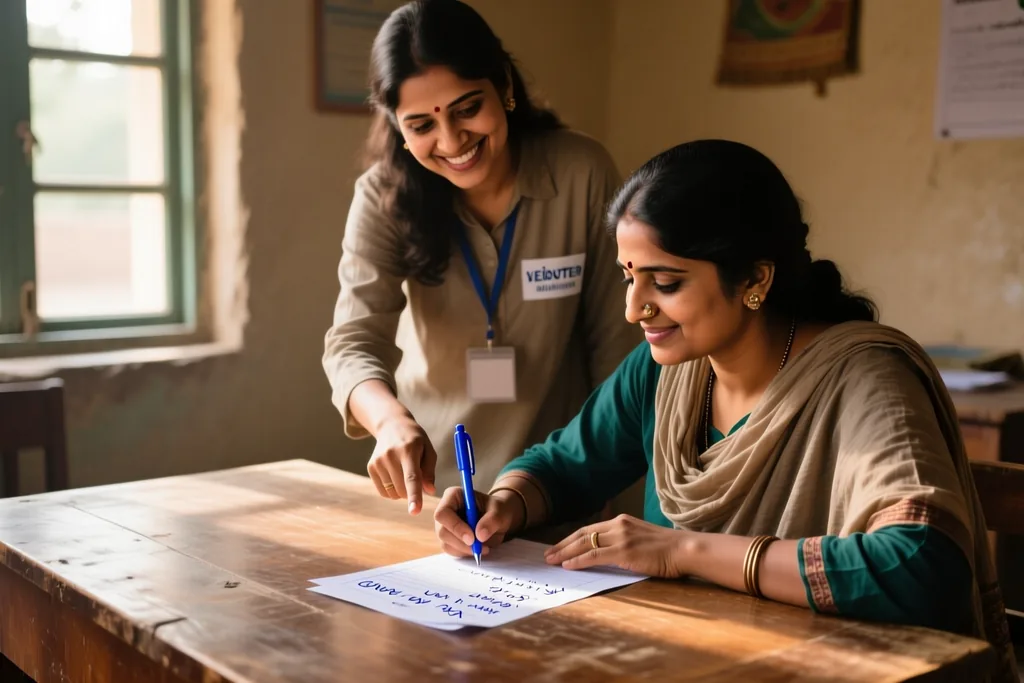
Joining Sister2Sister begins with a message rather than an application form, and the process is deliberately simple. This page explains the route from a first enquiry to your first session, what to prepare, what the team will ask you and what happens if your circumstances change. If you are considering the program, read this page first and then write to us.
Who can join
The program welcomes women and girls who want to continue their education, build digital skills or plan a career direction. No previous technical background is required, and there is no minimum level of formal study. What matters is a genuine interest in learning and the ability to attend sessions reasonably regularly.
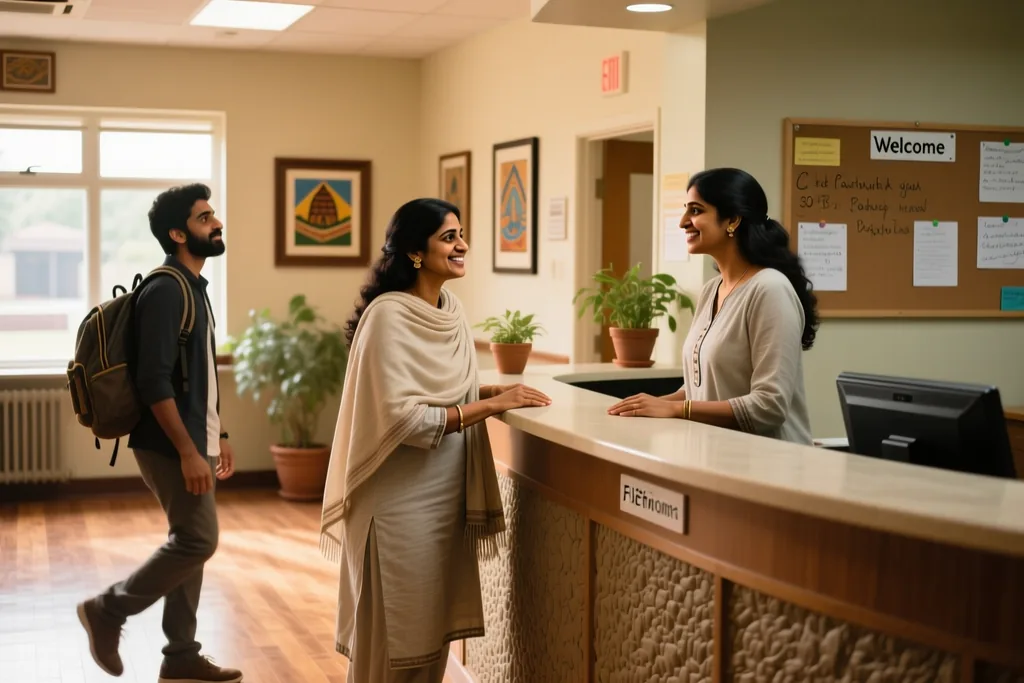
If you are unsure whether the program suits your situation, write to us anyway. A short conversation usually answers the question faster than any description on a page.
The first step: get in touch
Email is the most reliable way to reach the team. Introduce yourself briefly, say what you would like to study or learn, and mention anything that affects your availability, such as work, study or family responsibilities. There is no need to write a formal letter; a clear, honest message is enough.
You will receive a reply that answers your questions and suggests a next step. If the program is not the right fit for what you want, we will say so and, where possible, point you towards something that is.
What the team will ask
The first conversation is about matching you to something useful, not about testing you. Expect questions about your goals, your previous study and the hours you can genuinely commit each week. Being realistic here saves time later, because a plan built on availability you do not have will not survive.
- What would you like to study or learn?
- Have you studied formally before, and how long ago?
- How many hours a week can you realistically give?
- Do you have access to a device and the internet?
- Is there anything that might make regular attendance difficult?
Preparing in advance
You do not need to prepare documents in order to have the first conversation, but a little preparation makes everything faster afterwards. Keep your identification, any academic records you have and a note of your goals in one place, ready for when they are needed.
It is also worth thinking about the practical side: which days suit you, how you will travel or connect, and where you will study at home. Small practical decisions made early prevent interruptions later.
After you join
Once you start, your first weeks are about building the habit rather than rushing through content. Attend sessions, take notes you can reuse, ask questions early and treat the routine as the goal for the first month.
The joining process at a glance
The table below summarises each stage of joining and what it requires from you.
| Stage | What you do | What you need |
|---|---|---|
| Enquiry | Send a message | A clear idea of your goal |
| Conversation | Discuss your plan | Honest availability |
| Placement | Agree a pathway | Agreement on timing |
| First session | Attend and take part | A notebook |
| Routine | Keep attending | A protected time slot |
If your plans change
Plans change, and a brief message is always better than silence. If you need to pause, tell the team; a place and a plan can usually be kept open. If you want to change direction after starting, say so early, because switching subjects is easier than abandoning study altogether.
Participants who return after a break are a normal part of the program rather than an exception. There is no penalty for pausing, and no need to explain more than you wish to.
Getting started today
The only step that requires courage is the first message, and it can be short. Tell us what you would like to learn, mention when you are available, and ask any question that is on your mind. Everything else follows from that conversation, and there is no cost to asking.
A note on language and confidence
Some prospective participants hesitate because they worry their English or their writing is not good enough. Neither is a barrier. Sessions are practical, questions are welcome in whatever form they arrive, and improving communication is one of the things the program is designed to help with.
Joining is a simple process designed to remove obstacles rather than create them. Send a message, have an honest conversation about your goals and your time, agree a pathway and start attending. If you are unsure about anything, ask, because a question answered early is worth more than a decision made in doubt.