
Host a workshop in your community
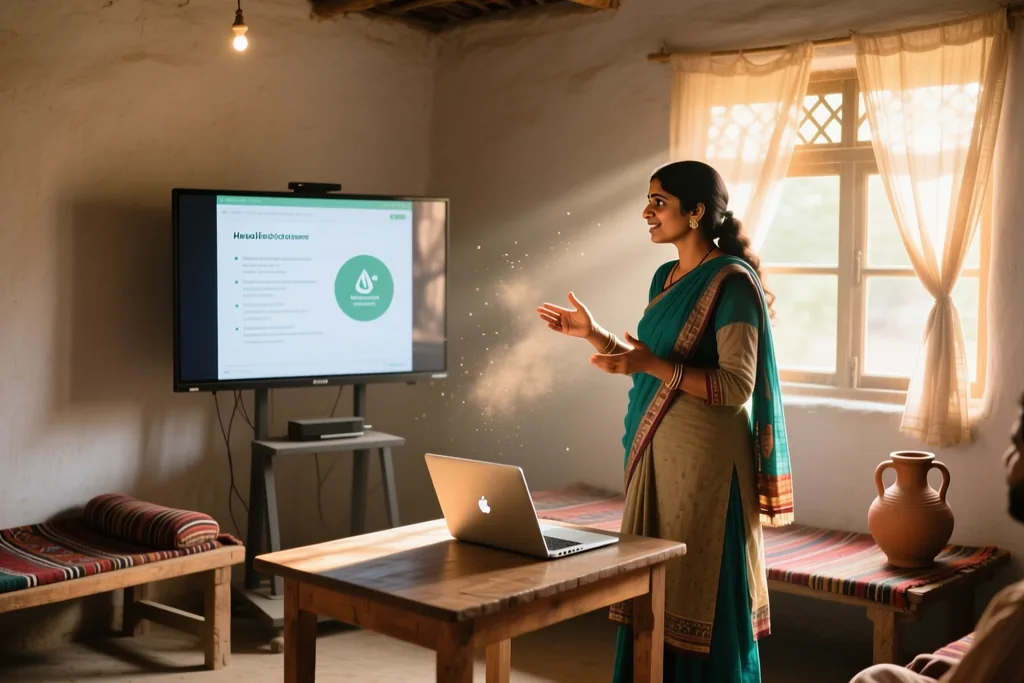
Workshops bring the program to places it would not otherwise reach, and hosting one is more straightforward than it may sound. A workshop does not require a large space, expensive equipment or a professional trainer. It requires a room, a small group, a clear topic and someone willing to organise it. This page explains how to plan and run one.
What a workshop is
A workshop is a short, focused session where a group learns a specific skill together. It differs from a class in that it is practical and time-limited: participants leave with something they can do, rather than with a syllabus to follow afterwards.
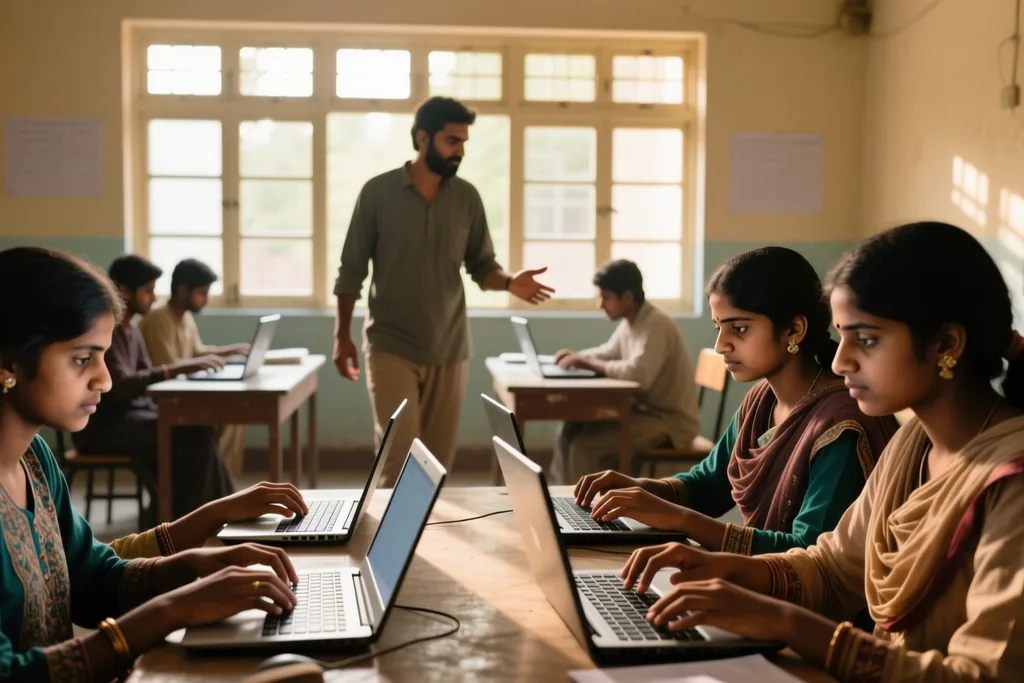
Good workshops are narrow. A session on writing a professional email is more useful than one on communication in general, because the narrow topic allows participants to practise something concrete during the session.
Choosing a topic that is needed
The best topic is the one your community actually needs, not the one that is easiest to teach. Ask the group what they struggle with before you plan anything, and choose the most common answer.
- Digital basics, such as using a phone or finding information online.
- Online safety and protecting personal accounts.
- Writing skills for formal messages and applications.
- Study skills such as note-taking and revision.
- Preparing for a course or job application.
Planning the session
A workshop that runs well is usually planned backwards from what participants should be able to do at the end. Decide the outcome first, then design the activities that produce it, and keep the number of topics small.
Allow more time than you think you need. Practical exercises always take longer than expected, and a session that finishes something properly is better than one that covers three topics badly.
Practical arrangements
The logistics of a workshop are simple but easy to forget. A room with power, enough seating, a way to show things on a screen and access to water will cover most situations.
What you need for a workshop
The table below lists the essentials, along with the reason each one matters.
| Item | Why it matters | Notes |
|---|---|---|
| A quiet room | Participants must hear you | Seating around tables helps |
| Power and screen | Demonstrating a tool | A projector or large screen |
| Participants' devices | Practice needs hands-on | Share devices if needed |
| Printed handout | A reminder after the event | Short and practical |
| A helper | Support during exercises | One experienced volunteer |
Running the session
Begin by stating clearly what participants will be able to do by the end, then demonstrate the skill once before asking them to try it. Move around the room while they practise, and answer questions without taking over the task.
Finish with a short summary and one task to try at home. Participants who leave with a specific next action are far more likely to keep the skill than those who only received information.
Following up
A workshop has more effect when it is followed up. Collect contact details with permission, send a short summary of what was covered, and invite participants to the next session or to the wider program. A single workshop becomes a pathway when there is somewhere to go next.
Handling a mixed group
Workshops frequently include participants with very different levels of confidence, and a facilitator has to teach both without losing either. The practical solution is to set a common task and adjust the support around it, rather than preparing separate lessons for separates levels.
Pairing a more confident participant with a less confident one often solves the problem by itself, because explaining a step to someone else is how many people first understand it properly.
It also helps to say openly at the start that different experience levels are expected and welcome. Participants who know that no one is being judged tend to ask for help far sooner.
Hosting a workshop is a practical contribution that any organised person can make, and the program is happy to help with planning and materials. Choose a topic the community needs, plan around a clear outcome, keep the logistics simple and follow up afterwards. What matters is the practice participants get, not the polish of the presentation.