
Volunteer with Sister2Sister
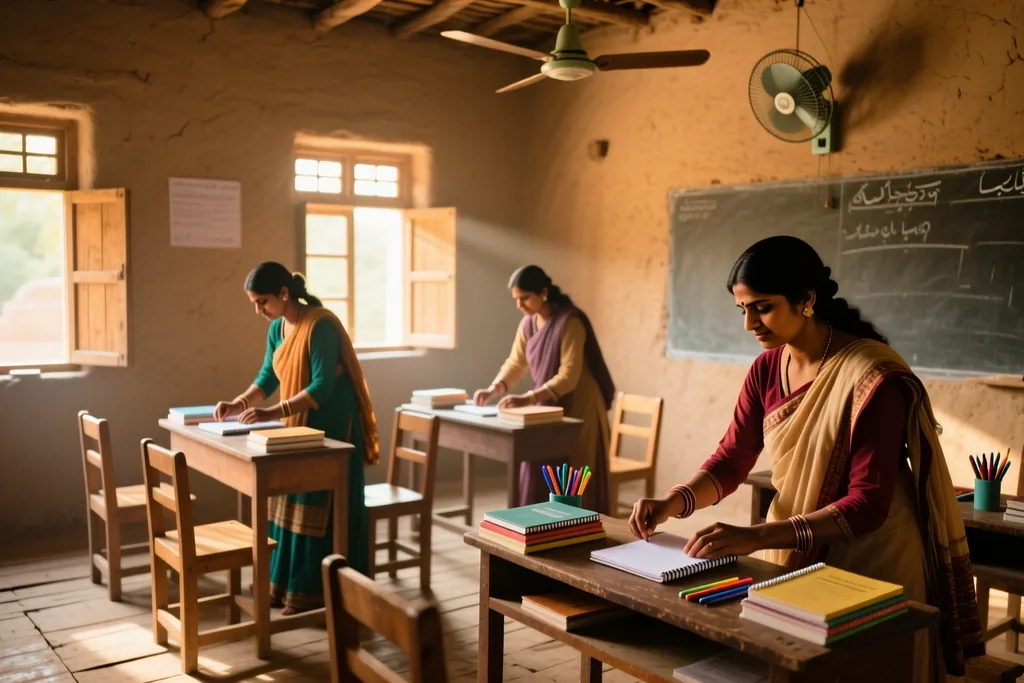
Volunteers are what allow the program to run sessions, support learners and stay connected between meetings. The work is practical rather than glamorous, and it is available in forms that fit around study, employment and family life. This page explains what volunteering involves and how to find a role that suits the time you actually have.
Why volunteering matters
A small program cannot employ enough staff to do everything it wants to do. Volunteers fill the gap between what the program knows it should offer and what its paid capacity allows, which makes them a structural part of the work rather than a nice addition.
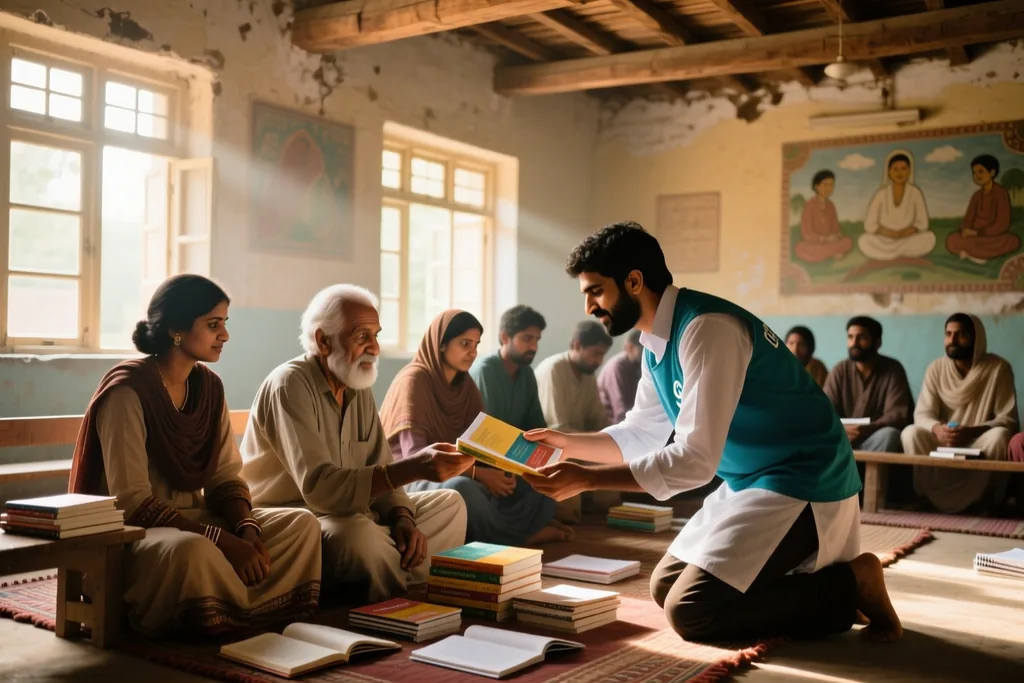
For participants, a volunteer is often the person who makes a session possible: setting up, answering questions during practice and keeping the group moving when something takes longer than expected.
Ways to help
Volunteering is not a single role. Different tasks suit different amounts of time and different strengths, and the program would rather have you do one small thing reliably than promise something you cannot sustain.
- Support learners during practice sessions.
- Help prepare materials and handouts.
- Assist with logistics at workshops and events.
- Keep the community connected between sessions.
- Help with administration and record keeping.
Time commitments that work
The most common reason people do not volunteer is the belief that they cannot commit enough time. In practice, the program values consistency far more than volume, and an hour a fortnight delivered reliably is more useful than an open-ended promise.
It is also possible to help in concentrated bursts, for example at a single workshop, if a regular commitment is not realistic. Both forms are welcome.
What you gain as a volunteer
Volunteering is not only something you give. People who help others learn tend to strengthen their own understanding, and many volunteers report that explaining a skill to someone else finally made it clear to them.
Volunteering also builds practical experience that is useful elsewhere, including teamwork, communication and responsibility, all of which can be described honestly when applying for study or work.
Matching tasks to your situation
The table below suggests roles that suit common situations, so you can pick something that fits the life you actually have.
| Your situation | Good fit | Typical commitment |
|---|---|---|
| Full-time student | Practice support | Occasional sessions |
| Working full time | Remote admin help | Flexible, task based |
| Parent at home | Materials preparation | Short regular slots |
| Between jobs | Workshop logistics | Event days |
| Retired | Mentoring or support | Regular, steady |
What we ask of volunteers
Volunteers agree to a few straightforward things: keep the commitments you make, treat participants with respect, protect their privacy and tell the team if something concerns you. These expectations exist to protect the participants, and they are not difficult to meet.
Training is light. Most volunteers learn the role by doing it alongside someone experienced, and the team is available to answer questions as they arise.
How to start
Write to the team with a short description of your availability and the kind of help you would like to offer. You do not need to know exactly which role suits you; the conversation will make that clear, and you can begin with something small and adjust from there.
Starting small and building up
New volunteers often take on too much at the beginning, then step back when the commitment becomes difficult. A better approach is to start with a single, bounded task and complete it well, then add another if there is room in your week.
That pattern builds trust on both sides. The program learns what you can reliably deliver, and you learn how the sessions actually run before committing to more.
A word on expectations
Volunteers are not employees and are not expected to be available on demand. What the program asks is that you keep the commitments you make and tell someone early if you cannot. That simple honesty is what allows a small team to plan sessions around the people who support them.
Volunteering is the practical backbone of the program, and it is built for people with real commitments rather than unlimited time. Choose a task that fits your week, keep the commitment you make, respect the participants and ask when you are unsure. An hour given reliably is worth more than a promise given generously.