
Returning to study: a story of second chances
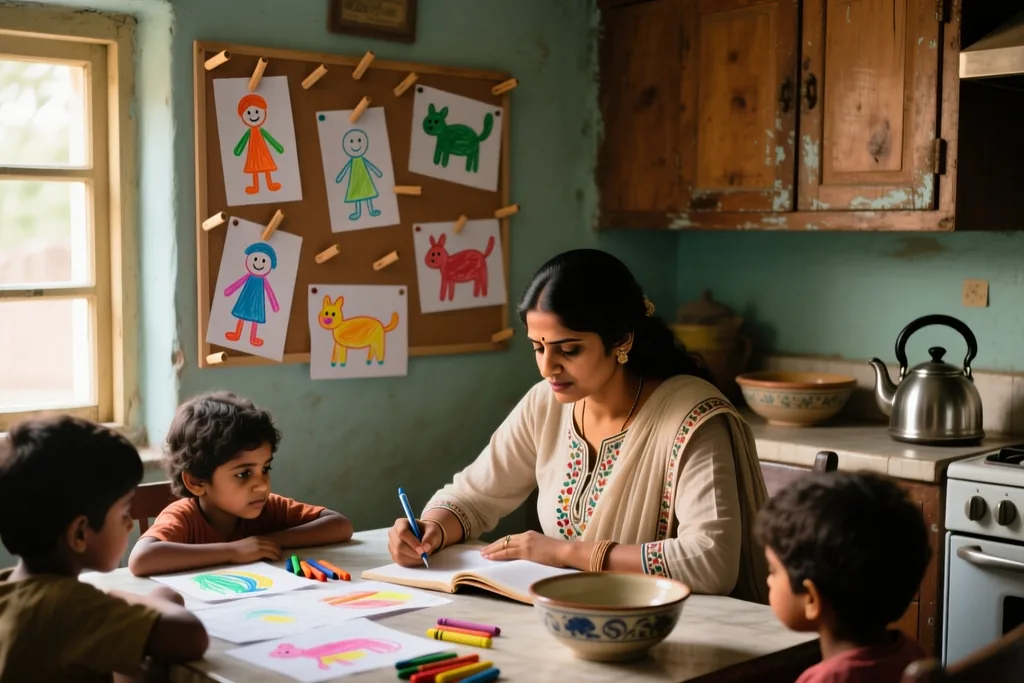
This account is illustrative rather than verbatim. It describes a pattern that appears often in the program: a woman who returns to study after a significant break and discovers that the hardest part is not the material but the decision to begin again. No figures are given, because the program does not publish statistics it cannot verify.
The decision to start again
Returning to study is almost never a sudden decision. It is usually the result of a long accumulation of small dissatisfactions: a job that offers no progress, a skill that feels out of date, or a nagging sense that an earlier education was left unfinished.

The decision itself is uncomfortable because it makes the gap visible. Admitting that you stopped is harder than the studying that follows, and many people delay beginning for that reason alone.
Rebuilding confidence before knowledge
A returning learner usually needs encouragement more than instruction in the first weeks. The material is relearnable, but the confidence that it is possible takes longer to rebuild, and it returns through evidence rather than reassurance.
That evidence comes from small tasks completed: a chapter read, a set of notes written, a question answered in a session. Each small success is more convincing than any compliment, which is why short, achievable work matters so much at this stage.
What has changed since last time
The learner has changed, and so has the material. Digital tools now sit at the centre of almost every subject, and a returning student may meet technology she never used during her earlier education.
- Devices and software are now part of ordinary coursework.
- Information must be checked rather than assumed.
- Study can happen online, which makes some barriers smaller.
- Time is scarcer and more fragmented than it once was.
- Motivation is often stronger, because the reason for studying is clearer.
Fitting study into a full life
Most returning learners have responsibilities that a younger student does not. Work, family and household duties compete for the same hours, and a plan that ignores them will collapse within weeks.
The successful approach is to negotiate rather than to assume. Identify a small number of hours that can genuinely be protected, tell the people around you that they are protected, and defend them consistently.
The role of support
Returning is easier with company. A mentor provides continuity, a study group provides explanations, and a household that understands the plan provides the time. None of these removes the effort, but together they make it sustainable.
Common interruptions and responses
The table below lists the interruptions that most often stop a returning learner, and the response that usually keeps the plan alive.
| Interruption | What it looks like | Response |
|---|---|---|
| Time conflict | Sessions clash with duties | Renegotiate the schedule |
| Lost confidence | Feeling behind | Return to small tasks |
| Technology gap | Unfamiliar tools | Ask for a basic lesson |
| Cost | Materials and fees | Look for support options |
| Illness | A forced pause | Restart gently, not instantly |
Measuring progress honestly
A returning learner should be measured against her own starting point, not against those who never paused. Completing a course, understanding a difficult topic or simply keeping the habit alive through a busy month are all genuine achievements that deserve to be recorded.
Comparing yourself with a younger classmate who studies full time is not only unfair but useless, because it ignores the responsibilities you are carrying alongside the study.
What finishing feels like
Finishing is rarely a single triumphant moment. It is usually a quiet recognition that the work you once believed was impossible has become ordinary. That shift, from intimidating to routine, is the real reward of returning, and it changes what a learner believes she can attempt next.
Returning to study is a decision that gets easier once it is made, and the obstacles are smaller than they appear from outside. Start with one subject, protect a realistic amount of time, accept that confidence rebuilds slowly and use the support around you. Those who start again rarely regret it, and most go on to attempt something they would not previously have considered.
Read next
From classroom to career: a participant journey
How steady study and mentoring shaped one participant outlook.
A mentoring journey: what we learn from each other
Mentors and participants describe the same sessions differently.