
Support the program
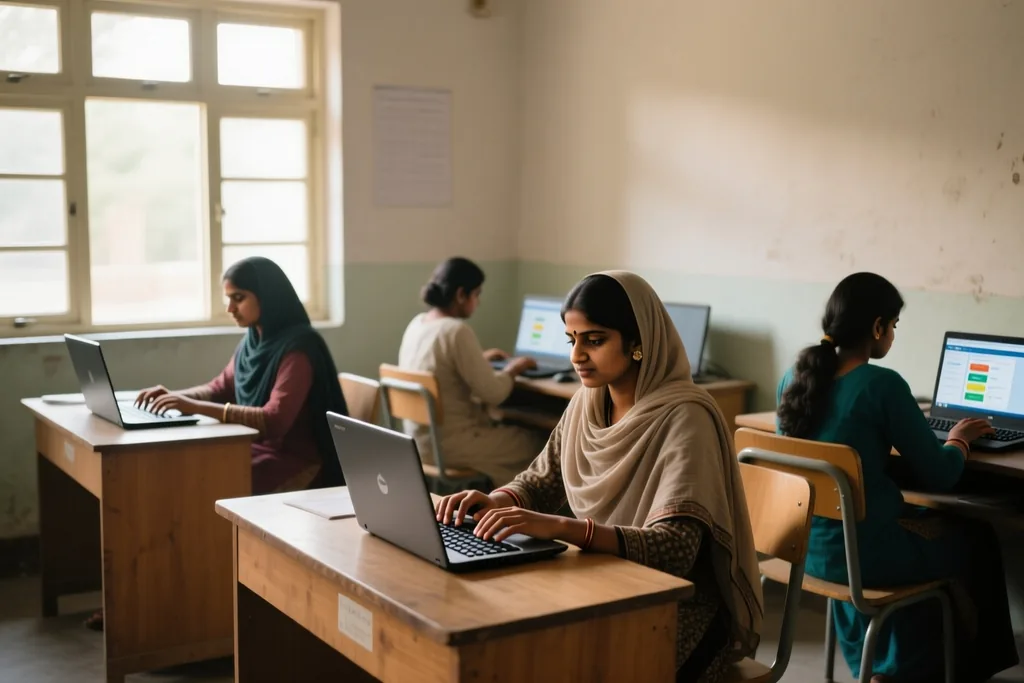
Not everyone can mentor or volunteer, and support in other forms is just as valuable. Organisations and individuals who help the program grow provide the space, tools and connections that make the teaching possible in the first place. This page explains the kinds of support that matter most and how to offer them.
Why outside support matters
A program built on volunteers has limits. Volunteers can teach, encourage and organise, but they cannot generally provide a building, a set of computers or a route into an employer. Those things come from supporters and partners, and they expand what the program can offer.

Support also compounds. A room donated for workshops makes a series of sessions possible, and each session produces learners who go on to help others. A single contribution can therefore travel much further than it first appears.
Ways organisations can help
Organisations bring resources that individuals cannot, and the most useful contributions are often the least glamorous.
- Providing a space for sessions and workshops.
- Donating or lending equipment such as computers.
- Offering internships or work experience placements.
- Sharing expertise through a guest session.
- Helping to reach new participants through existing networks.
Ways individuals can help
Individual support does not have to be financial or large. Sharing the program with someone who might benefit, offering a room, lending a laptop or introducing the team to an organisation are all contributions that change what is possible.
Even something as simple as telling a friend about the program is useful, because many participants arrive through word of mouth rather than advertising.
What we ask of supporters
Supporters are asked to align with the program's principles rather than to direct its teaching. We describe the program honestly, we do not promise outcomes, and we do not accept support that would require us to misrepresent what we offer.
Matching support to need
The table below shows which kinds of support address which needs, so a supporter can choose something that genuinely helps.
| Need | Useful support | Who can provide it |
|---|---|---|
| A place to meet | Room or hall | Organisations and individuals |
| Practice equipment | Computers or tablets | Companies and donors |
| Reach | Networks and referrals | Community groups |
| Experience | Guest sessions | Professionals |
| Continuity | Regular collaboration | Partners |
Sustainability over one-off gestures
A regular, modest contribution is worth more than a single large gesture. A room available every month allows the program to plan; a one-time donation of equipment is useful but does not create a routine.
This is why we prefer to build arrangements that both sides can sustain rather than to chase impressive but short-lived commitments. Consistency is what allows a program to grow.
How to offer support
Write to the team with a short description of what you or your organisation could offer and when it might be available. There is no formal application, and the conversation will establish whether the contribution fits a real need.
If you are unsure what would help most, ask. The team knows which resources are missing, and a brief discussion usually produces something more useful than an offer made blindly.
Support that does not involve money
Financial contributions are useful, and they are far from the only form of support that helps. Time, expertise and access often matter more than funding, particularly for a program that needs rooms, mentors and practical experience rather than large budgets.
A professional willing to give one guest session, an organisation that can offer a placement, or a group that can introduce the program to new participants all contribute something the program cannot buy.
Starting the conversation
Support begins with a simple discussion about what is needed and what you can offer, and there is no obligation on either side until an arrangement is agreed. A short exchange is usually enough to establish whether a contribution fits a real need.
Supporting the program is about providing what teaching cannot supply on its own: space, tools, connections and continuity. Offer what you can sustain, align it with a real need, and prefer a regular arrangement to a single gesture. Every contribution of this kind widens the group of women the program is able to reach.