
Mentors, partners and the community behind the program
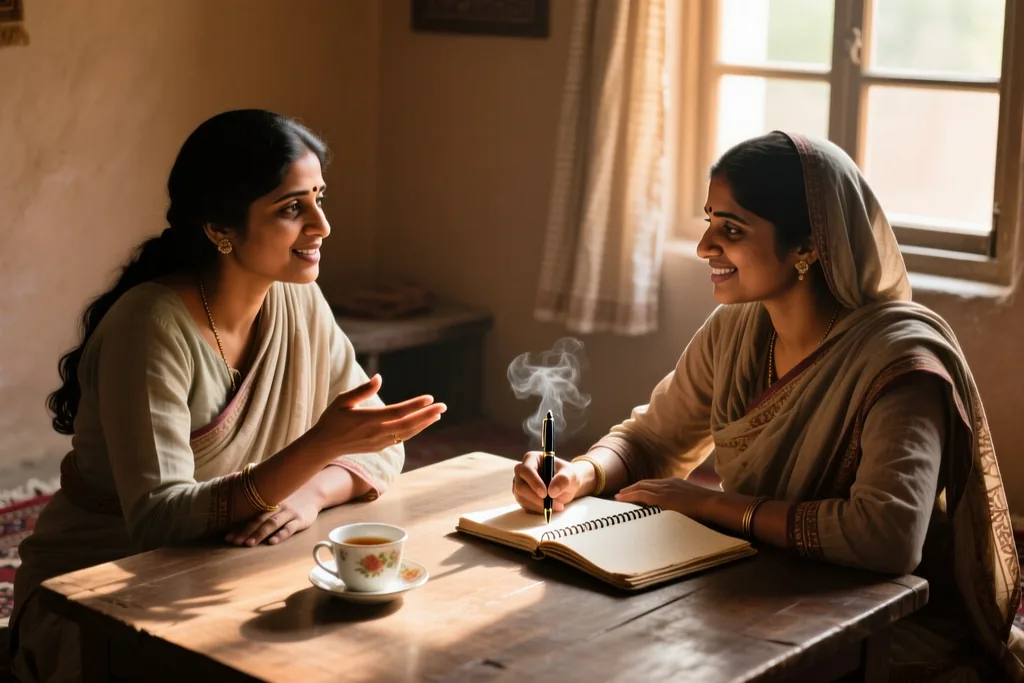
A program like Sister2Sister is a network before it is a curriculum. The lessons matter, but the people who deliver them, guide them and open doors around them matter just as much. This page describes who is involved, what each role involves and why the combination of mentors, volunteers and partners is what allows the program to keep running.
What a mentor does
A mentor provides a regular, reliable conversation. That is the whole job, and it is harder than it sounds. A mentor does not need to know every subject a participant is studying. She needs to listen carefully, ask useful questions, keep appointments and be honest when she does not know something.

Good mentoring is mostly about continuity. A participant who knows that someone will ask how her week went is more likely to keep working through a difficult period than one who is left alone with a plan and a good intention.
What volunteers bring
Volunteers make the practical side of the program possible. They help run workshops, prepare materials, support learners during practice sessions and keep the community in touch between meetings. Their contribution is often unglamorous and always essential.
Volunteering is also a form of learning. People who teach a skill tend to understand it far better afterwards, which is why many volunteers report that they gained as much as they gave.
What partners add
Partner organisations provide what a volunteer network cannot generate on its own: space, equipment, and access to opportunities that a small program could not create by itself. A partner might host a workshop, share a room for study sessions or help connect participants with further courses.
Because the program depends on partners, availability can vary. We think it is more honest to say that clearly than to imply that every opportunity is always open to everyone.
The roles at a glance
The table below is a simple reference for anyone wondering how they might take part.
| Role | Main responsibility | Time commitment |
|---|---|---|
| Mentor | Regular guidance for a participant | Short, repeated sessions |
| Volunteer | Support workshops and learners | Fits around other work |
| Workshop host | Bring skills to a local group | Occasional sessions |
| Partner | Provide space, tools or access | Depends on the agreement |
| Supporter | Help the program grow | Flexible |
How mentors are prepared
Mentors are not simply assigned and left to work things out. They are introduced to the program's principles, given a sense of what a session should and should not cover, and encouraged to ask for help when a situation is beyond their experience.
- Understand the boundaries of the role: guidance, not therapy or financial advice.
- Keep communication reliable, even when the answer is simply that you do not know.
- Respect confidentiality and never share a participant's details casually.
- Flag concerns to the team rather than trying to solve everything alone.
- Remember that the participant is the author of her own plan.
Why the community matters
Individual roles only add up to something when they are connected. A mentor who knows which workshops are running, a volunteer who knows which learners need extra practice, and a partner who knows what the program is trying to achieve can all support each other. That connection is the community, and it is what turns separate good intentions into a working program.
What makes a good mentoring match
A mentoring relationship works best when the two people can talk honestly, which is not the same as sharing a profession or a background. Compatibility of schedule and temperament usually matters more than expertise, because a mentor who is available and attentive outperforms an expert who is rarely free.
The program therefore asks about availability and communication style before making a match. A participant who prefers written messages may be paired with a mentor who is comfortable writing in detail, while someone who thinks aloud may be better served by regular short calls.
Matches are not permanent. If a pairing is not working, either side can say so, and the team will look for a better fit. Treating a mismatch as a normal adjustment rather than a failure is one of the reasons the mentoring side of the program survives beyond the first few months.
If you are wondering whether you have something to offer, the honest answer is that you probably do. Reliability, patience and a willingness to keep learning are the qualities that matter most, and none of them requires a formal title. Read the pages on mentoring and volunteering, then write to the team and ask how you can help.
Read next
About the Sister2Sister Exchange Program
Who we are, why the program exists and what it offers to women and girls.
Our mission: educating the next generation of women leaders
Education first, digital literacy second, independence as the outcome.
How the program works, step by step
From first enquiry to mentoring and study support, explained simply.