
Remote work skills and digital collaboration
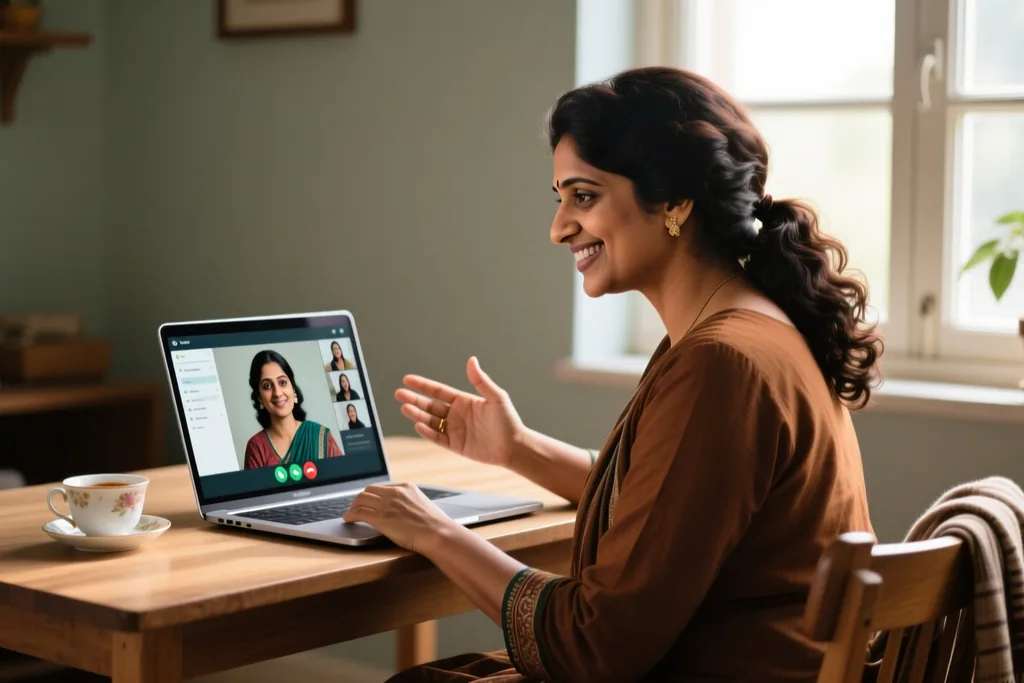
Remote work moves the office into a set of tools, and it changes what a job actually asks of you. Instead of being visible at a desk, you have to make your work visible through writing, files and meetings. These are learnable skills, and they are increasingly expected even in roles that are only partly remote.
Writing clearly is now a core skill
When you cannot rely on tone of voice or a passing conversation, writing carries the whole message. Clear writing states the point early, gives the context that matters, and ends with what you want the reader to do next.
Keep messages short and structured. A reader who understands your message in ten seconds will respond faster, and speed of understanding is a genuine advantage in any team.
Working with files and shared spaces
Remote teams live in shared folders and documents, and a few conventions prevent most confusion. Agree on where files live, how they are named and who is allowed to edit them.
- Keep one shared place for documents rather than several.
- Use file names that describe the contents and the date.
- Keep the latest version obvious.
- Leave comments rather than editing over someone else work silently.
- Back up anything you would hate to lose.
Meetings that respect everyone time
A remote meeting is expensive because it consumes several people at once. Come prepared, keep to the agenda and finish with clear decisions. If a conversation could be handled in writing, write it instead.
Camera, microphone and background noise are practical matters rather than etiquette. Test them before an important call, and choose a quiet space where you can speak without interrupting others.
Managing yourself without an office
The hardest part of remote work is structure. Without the rhythm of an office, the day can dissolve into a long, distracted stretch. Building your own routine is the solution.
Practical habits for working from home
The table below sets out the routine that keeps most remote workers effective, along with the reason it matters.
| Habit | What it looks like | Why it helps |
|---|---|---|
| Fixed start | Begin at the same time | Creates a working rhythm |
| Task list | Three priorities a day | Prevents drifting |
| Breaks | Short and regular | Protects concentration |
| Clear finish | A definite end to the day | Separates work from rest |
| Check-ins | Brief regular updates | Keeps you visible |
Being visible without being watched
Remote work removes the cues that show colleagues you are working, so you have to provide them deliberately. A short update on progress, a question asked early and an honest note when something will take longer all build trust.
Reliability matters more than speed. Someone who delivers what they promised, when they promised it, becomes the person a team depends on, and that reputation is built through small, consistent acts.
Staying healthy while working online
Long hours at a screen take a physical toll, and the habits that prevent it are simple. Sit properly, rest your eyes regularly and move between sessions. A short walk is not time lost from work; it is what makes the next hour productive.
Preparing for a remote role
When you apply for a role that involves remote work, employers look for evidence that you can operate independently. That evidence is easier to build than it sounds: organise a small project of your own, keep it in a shared folder, write a short summary of what you did and share the result.
A simple portfolio of a few completed tasks demonstrates more than a long list of tools you claim to know. Show the work, describe the problem you solved, and explain the decisions you made.
Practise the interview conditions too. A remote interview is usually conducted over a call, so test your connection, your microphone and your chosen background beforehand. Being comfortable with the format is part of being ready for the job.
Building a remote reputation
In a remote team, the impression you make is built almost entirely from the written record: how you reply, how you follow through and whether your work arrives when you said it would. That record accumulates quietly, and it becomes the basis on which colleagues decide how much to rely on you.
Remote work is a skill set rather than a location. Write clearly, organise your files, run meetings that respect time, build a personal routine, make your work visible and look after your body. Learn these and you can work effectively from anywhere, which is exactly what modern employers increasingly expect.
Read next
Digital literacy basics for everyday life
Devices, files, search and the vocabulary of the digital world.
Staying safe online: accounts, passwords and privacy
Practical habits that protect your accounts and your personal data.
Digital tools that make studying easier
Documents, notes, calendars and collaboration for learners.